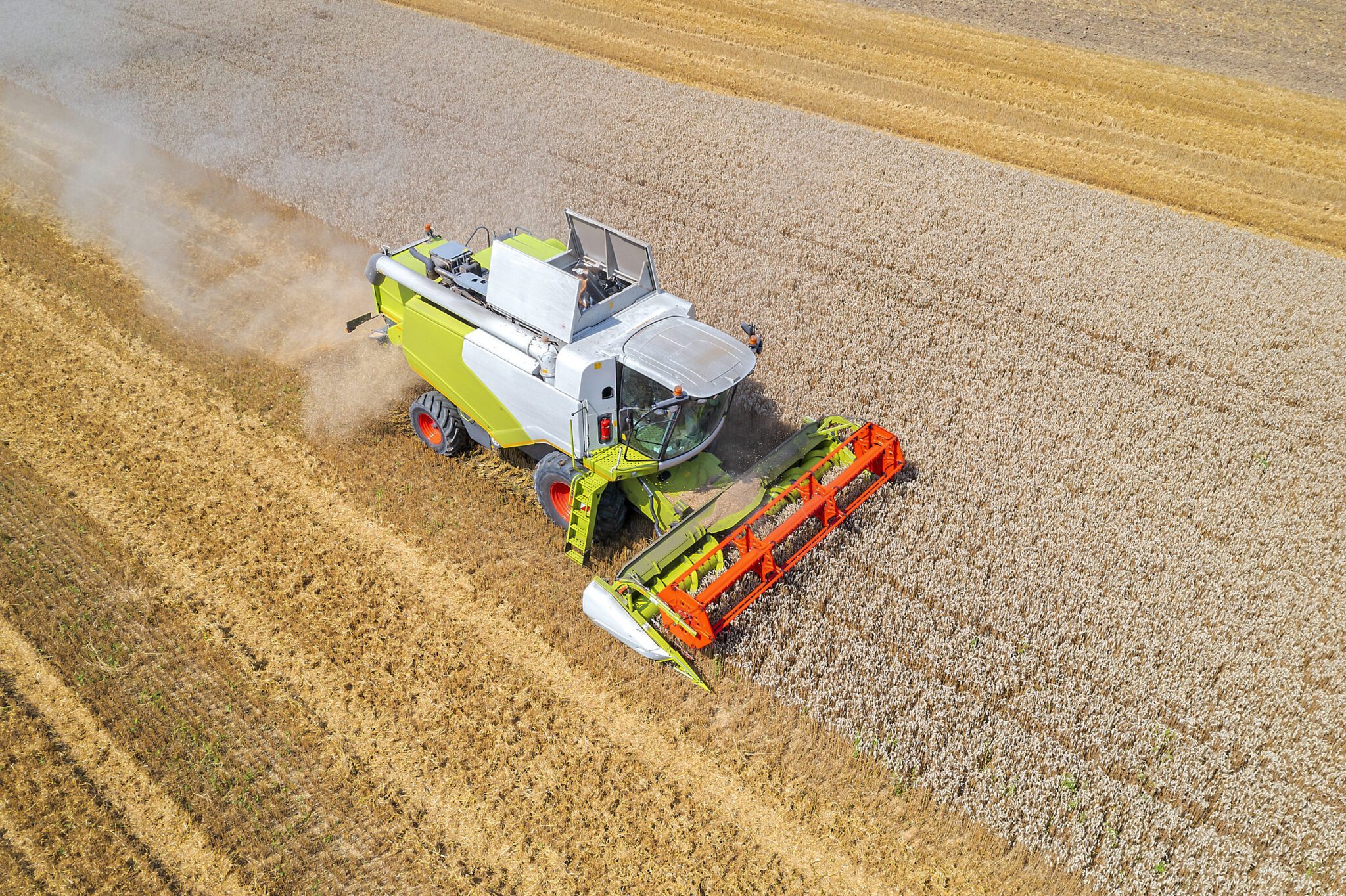
A growing world population means a growing need for food. This places ever-increasing demands on today’s agricultural equipment.
Modern farm machinery is equipped with several advanced technologies, including GPS, sensors, automation, and even data analysis.
Farmers rely on these innovations for more efficient operations, lower input costs, higher yields, and more profits. Quality machinery is key to navigating the challenges associated with agriculture, such as economic uncertainty, input costs, labor shortages, and geopolitical trends.
High-strength steel offers numerous advantages for the custom metal parts used to build farm equipment. At Metaltech, our metal fabrication experts produce steel components for agricultural machinery and a wide range of other products. Our services include custom design and fabrication, as well as assembly for both large and small production runs.
Advantages of High-Strength Steel for Agricultural Equipment
High-strength steel provides an optimal balance of durability, cost-effectiveness, and practical performance for agricultural applications. It’s the material of choice for equipment that must withstand heavy loads and harsh operating conditions.
High-strength steel offers numerous benefits for agricultural machinery:
- Excellent strength-to-cost ratio: High-strength steel delivers exceptional structural integrity at a fraction of the cost of exotic metals, providing the optimal balance between performance and economic feasibility for farm equipment manufacturers and end users.
- Balanced weight and durability: While heavier than some alternatives, high-strength steel offers the ideal compromise between structural integrity and manageable weight, resulting in equipment that can handle demanding tasks while maintaining reasonable fuel efficiency.
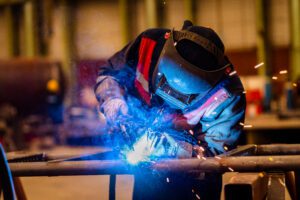
- Superior weldability and fabrication: High-strength steel can be easily welded, formed, and fabricated using conventional methods, making repairs and modifications straightforward even in rural settings with limited specialized equipment.
- Temperature resistance: High-strength steel maintains its structural integrity across a wide range of temperatures, from freezing winter conditions to hot summer days, ensuring consistent performance throughout the growing season.
- Cost-effective corrosion resistance: When properly treated or coated, high-strength steel delivers excellent resistance to rust and corrosion from exposure to soil, fertilizers, and weather conditions at a significantly lower price point than corrosion-resistant specialty metals.
Farm Machinery Requirements
Agricultural equipment must possess strength and durability to deliver reliable performance in harsh conditions. Tractors, for example, must pull other farm equipment and carry attachments for a number of applications. As a staple of large and small farms alike, different types of tractors are designed for different uses:
- Small, high-powered compact tractors can maneuver through tight spaces while handling a variety of materials.
- Wheeled tractors handle a variety of attachments for tilling, material handling, pulling equipment and other jobs.
- Track tractors have rubber tracks instead of traditional tires, resulting in a smoother ride ideal for plowing fields.
- Orchard tractors feature a slender build for moving between trees.
Tractors may be used with one or more of the following attachments:
- Plows for turning the soil in preparation for planting seeds and eliminating unwanted vegetation.
- Harrows to agitate and break down clumps of soil, level the surface and redistribute crop and weed residue.
- A quality fertilizer spreader for quick, even application.
- Seeders plant the seeds after soil preparation.
- Balers wrap hay, straw, or corn stalks into either round or square bales.
Combines, also called harvesters, perform a number of agricultural functions. Reaping involves cutting the plant in the field using a header to gather the crop, along with a reel to cut the plant at the base. Threshing means separating the edible and non-edible parts of a grain. Winnowing involves separating light chaff from the grain using a sieve.
Frequently Asked Questions About High-Strength Steel in Agricultural Equipment
Why is high-strength steel preferred over other metals for farm equipment?
High-strength steel offers the best balance of durability, cost, and performance for agricultural applications. It delivers exceptional structural integrity at a fraction of the cost of metals, making it economically feasible for both manufacturers and farmers. The material can be easily welded and fabricated using conventional methods, which means repairs and modifications can be done in rural settings without specialized equipment. This practical advantage is crucial when equipment breaks down during critical planting or harvest seasons.
How does high-strength steel handle extreme weather conditions on farms?
High-strength steel maintains its structural integrity across a wide temperature range, from freezing winter conditions to hot summer days. This ensures consistent performance throughout the entire growing season. When properly treated or coated, it also delivers excellent resistance to rust and corrosion from exposure to soil, fertilizers, and harsh weather conditions. The material’s temperature resistance means equipment won’t become brittle in cold weather or lose strength during hot summer operations.
Is high-strength steel too heavy for modern fuel-efficient farm equipment?
While high-strength steel is heavier than some alternative materials, it offers an ideal compromise between structural integrity and manageable weight. Modern farm equipment needs to handle demanding tasks like pulling heavy loads and operating in rough field conditions. High-strength steel provides the necessary strength while maintaining reasonable fuel efficiency. The weight actually helps in some applications, providing better traction and stability when operating in soft soil or on slopes.
What types of farm equipment components are made from high-strength steel?
High-strength steel is used throughout agricultural machinery, from tractor frames and loader arms to plow blades and harvester components. It’s found in structural elements that bear heavy loads, wear parts that need to resist abrasion from soil and crops, and attachment points where implements connect to tractors. The material’s excellent weldability makes it ideal for fabricating complex assemblies like combine headers, baler frames, and tillage equipment that must withstand constant stress and impact.
How long does high-strength steel equipment last in agricultural use?
With proper maintenance and appropriate protective coatings, high-strength steel farm equipment can last for decades. Many farmers operate tractors and implements that are 20 to 30 years old or more. The longevity depends on factors like operating conditions, maintenance practices, and whether equipment is stored indoors when not in use. The durability of high-strength steel means components often outlast other parts of the machinery, and when repairs are needed, the material’s weldability makes fixes straightforward and cost-effective.
Can high-strength steel parts be repaired in the field during busy seasons?
Yes, one of the major advantages of high-strength steel is that it can be welded and repaired using conventional equipment available at most farms or local welding shops. During critical planting or harvest windows, farmers can’t afford extended downtime waiting for specialized repairs. High-strength steel components can often be fixed quickly with standard welding equipment, getting machinery back in operation fast. This practical repair advantage is a significant reason why high-strength steel remains the material of choice for agricultural equipment.
How does the cost of high-strength steel compare to other materials for farm equipment?
High-strength steel delivers an excellent strength-to-cost ratio compared to alternatives like aluminum alloys, titanium, or specialty metals. While these materials might offer weight advantages, their significantly higher costs make them impractical for most agricultural applications. High-strength steel provides the structural performance farmers need at a price point that keeps equipment affordable. The lower material cost, combined with easy fabrication and repair, makes it the most economical choice for farm machinery that needs to last through years of demanding use.
Does high-strength steel require special protective coatings for farm use?
High-strength steel typically receives protective treatments or coatings to enhance its corrosion resistance in agricultural environments. Common treatments include powder coating, galvanizing, or paint systems designed to protect against exposure to soil, fertilizers, moisture, and chemicals. The specific coating depends on the component’s function and exposure level. Properly coated high-strength steel offers excellent long-term protection at a much lower cost than using inherently corrosion-resistant specialty metals. Regular cleaning and maintenance help extend the life of both the steel and its protective coating.
Get a Quote on Custom High-Strength Steel Parts
Metaltech works side-by-side with farm equipment manufacturers to design, fabricate and deliver custom high-strength steel parts for a wide range of applications. Our team has the knowledge and experience to create components of all shapes and sizes for large and small production runs.
If you’re looking for a partner to create the parts you need, reach out to us to request a quote. You can also contact us at 417-426-5577 or reach out online at any time.